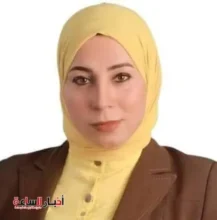
د. جانيس فيرير سامانى تكتب: أفريقيا تعيد تصميم المستقبل: من المشاركة إلى صناعة الأنظمة

بينما تتسارع التحولات العالمية في مجالات التكنولوجيا والاقتصاد والحوكمة، لم تعد القارة الأفريقية مجرد طرف يتبنى النماذج العالمية أو يتكيف معها، بل أصبحت فاعلًا رئيسيًا يعيد تصميم الأنظمة من الداخل. هذا التحول لا يتعلق فقط بالتكنولوجيا أو الابتكار، بل بإعادة تعريف القوة نفسها: من يملك القدرة على تصميم الأنظمة، توجيه رأس المال، وصناعة النتائج.


في ظل عالم يواجه أزمات متشابكة تتعلق بالمناخ، والموارد، والتحولات الرقمية، أصبح السؤال الحقيقي ليس: كيف نستخدم التكنولوجيا؟ بل كيف نبني أنظمة قادرة على الصمود والعمل في الواقع؟
التحول من الذكاء إلى المرونة
لفترة طويلة، ارتبط مفهوم “المدن الذكية” بالحلول التقنية المتقدمة والذكاء الاصطناعي وتحليل البيانات، لكن التجربة أثبتت أن الذكاء وحده لا يكفي، فالأنظمة التي لا تمتلك حوكمة فعالة، أو لا تراعي الظروف الاجتماعية والاقتصادية الحقيقية، تبقى أنظمة هشة مهما بلغت درجة تطورها.
اليوم، يتجه التفكير الاستراتيجي نحو بناء أنظمة حضرية مستدامة تكون:
• محكومة بوضوح وشفافية
• مرنة أمام الأزمات والتغيرات
• قابلة للتشغيل في بيئات واقعية ومتغيرة
• متمحورة حول الإنسان واحتياجاته الفعلية
هذا النوع من الأنظمة لا يُبنى داخل المختبرات فقط، بل يُصمم من قلب الواقع، مع فهم عميق للتحديات المحلية والبنية التحتية المتفاوتة والموارد المحدودة.
القيادة لم تعد امتيازًا… بل مسؤولية تصميم
تشهد قطاعات التكنولوجيا، والتمويل، والبنية التحتية، والسياسات العامة إعادة تعريف لمفهوم القيادة، فالقادة اليوم لا يسألون فقط كيف يعملون ضمن الأنظمة القائمة، بل كيف يمكنهم إعادة تصميم هذه الأنظمة لتكون أكثر عدالة واستدامة وكفاءة.
الفرق كبير بين التكيف مع نظام قائم وبين امتلاك القدرة على إعادة تشكيله. فالتكيف يحتاج إلى مهارات تشغيلية، أما إعادة التصميم فتتطلب رؤية استراتيجية، وتنسيقًا بين القطاعات، وشجاعة لتحدي النماذج التقليدية.
ولهذا أصبحت القيادة تُقاس اليوم بقدرة الأفراد والمؤسسات على “صناعة المنظومات”، لا مجرد العمل داخلها.
تقاطع التكنولوجيا ورأس المال والحوكمة
القوة الحقيقية لا تصنعها التكنولوجيا وحدها. بل تنشأ عندما تتكامل ثلاثة عناصر رئيسية:
1. التكنولوجيا التي توفر الإمكانيات
2. رأس المال الذي يتيح التوسع والاستدامة
3. الحوكمة التي تضمن الثقة والاستمرارية
وعندما يحدث انسجام بين هذه العناصر، تظهر أنظمة قادرة على تحقيق نتائج حقيقية ومستدامة.
وفي أفريقيا، لم يعد التركيز فقط على استيراد الحلول التقنية، بل على تطوير نماذج متكاملة تربط بين الابتكار والتمويل وصناعة القرار، بما يتناسب مع احتياجات المجتمعات المحلية.
المرأة كشريك في صناعة المستقبل
أحد أبرز ملامح هذا التحول هو الدور المتصاعد للمرأة في قيادة التغيير. فالأمر لم يعد يقتصر على “إشراك المرأة” في القطاعات المختلفة، بل أصبح يتعلق بقدرتها على إعادة تشكيل الأنظمة نفسها.
نساء كثيرات في أفريقيا يقدن اليوم مبادرات في التكنولوجيا، والاستثمار، وريادة الأعمال، والسياسات العامة، ويشاركن في صياغة مستقبل اقتصادي واجتماعي جديد للقارة.
وهذا التحول يعكس انتقال المرأة من موقع “المشاركة” إلى موقع “التأثير وصناعة القرار”.
الشباب… القوة الاستراتيجية الحقيقية
تمتلك أفريقيا واحدة من أصغر الفئات العمرية في العالم، ما يمنحها ميزة ديموغرافية هائلة. لكن هذه الميزة لن تتحول إلى قوة حقيقية إلا إذا وُجدت أنظمة تعليمية واقتصادية توفر للشباب الأدوات والفرص اللازمة للإبداع وخلق القيمة.
والهدف لم يعد مجرد توفير وظائف تقليدية، بل تمكين الشباب من بناء حلول جديدة، وقيادة الابتكار، والمساهمة في الاقتصاد الرقمي العالمي.
السردية الجديدة لأفريقيا
لسنوات طويلة، كانت صورة أفريقيا تُصاغ من الخارج، غالبًا من منظور يركز على الأزمات والتحديات. أما اليوم، فالقارة تعيد كتابة روايتها بنفسها.
السرد لم يعد مجرد خطاب إعلامي، بل أداة استراتيجية تؤثر في الاستثمار، والشراكات، والسياسات الدولية. وعندما تمتلك المجتمعات القدرة على سرد قصتها بنفسها، فإنها تمتلك أيضًا القدرة على تحديد مستقبلها.
وما يحدث اليوم في أفريقيا ليس حدثًا مؤقتًا، بل تحولًا هيكليًا طويل المدى إنه انتقال من استهلاك الأنظمة إلى تصميمها، ومن التبعية إلى صناعة القرار، ومن انتظار المستقبل إلى بنائه، وفي عالم تتزايد فيه التحديات والضغوط، ستكون الأفضلية للدول والمجتمعات القادرة على بناء أنظمة مرنة، محكومة، وعملية أنظمة لا تكتفي بالذكاء، بل تستطيع الاستمرار والعمل تحت الضغط.
أفريقيا لا تنتظر المستقبل إنها تعيد تصميمه، بثقة، وبإرادتها الخاصة.
Africa Redesigns the Future: From Participation to Systems Building
By Dr. Janice Ferrer Samani
As I prepare for my upcoming mission to ICISCT 2026 in Casablanca and Women in AI sessions, I bring a clear and deliberate systems-level perspective on one of the most critical challenges of our time: designing sustainable urban systems that move beyond intelligence alone to become governed, resilient, and operational under real-world conditions. I had a conversation with
This is not a theoretical exercise. It is a global imperative. In a recent conversation, I explored these dynamics in dialogue with leaders shaping technology, capital, and systems across Africa: https://youtu.be/c36QNfNs6ng
That assumption is no longer sufficient. What is emerging today is not a story of working within other systems. It is a story of power. And power, in this context, is not symbolic; it is structural. It is the ability to design systems, allocate capital, define value, and determine outcomes. This is the difference between being included in a system and owning it.
A Reorientation of Leadership
Across sectors, finance, technology, infrastructure, and policy, there is a reorientation taking place. Leaders are no longer asking how to operate within existing models. They are asking how to redesign them.
Operating within a system requires adaptation. Redesigning a system requires vision, coordination, and the willingness to challenge inherited assumptions.
Leadership, in this moment, is no longer defined by access. It is defined by authorship.
The Intersection of Technology, Capital, and Control
Technology alone does not create power. Power emerges at the intersection of three forces:
* Technology, which enables capability • Capital, which enables scale • Governance, which enables trust and continuity. Without alignment across these systems, they fail to deliver consistent outcomes. What is taking shape across Africa is not just technological adoption, but a more integrated approach, one that recognizes that the real advantage lies in how these elements are combined and directed.
Redefining the Role of Women
One of the most significant dimensions of this transformation is the role of women.
This is not about inclusion. Women across the continent are reshaping systems, structuring investment vehicles, leading technology initiatives, and influencing policy decisions. This is not participation. It is authorship.
Building for Real Conditions
A defining characteristic of this moment is the recognition that systems must be built for the environments in which they operate. Real-world conditions include: • variability in infrastructure • inconsistent access to resources • rapidly changing economic dynamics. Designing for resilience, not just performance, is what separates functional systems from fragile ones.
The Strategic Asset: A Young, Emerging Force
Africa’s demographic strength is not just its size; it is its potential. But potential must be activated through systems that provide access to education, tools, and pathways to value creation. The focus is not simply employment.
It is empowerment.
Narrative as Strategy
Narrative is not symbolic. It is strategic. It shapes investment, policy, partnerships, and ultimately economic outcomes. Africa is no longer being defined externally. It is defining itself.
Closing Reflection
What is unfolding across Africa is not a moment; it is a movement.
It is a movement from participation to power, from adoption to authorship, from operating within systems to designing them from within. The implications extend far beyond geography. In a world defined by complexity, constrained resources, and increasing digital risk, the leaders who will define the future are those who can design systems that hold under pressure. Not just intelligent systems. Governed systems. Resilient systems. Operational systems.
This is the work.
Not building technology for its own sake, but building systems that align capital with outcomes and serve people in the environments where they actually live and operate. Africa is not waiting for the future. It is designing it, deliberately, structurally, and on its own terms.
If you want to hear how these ideas are being discussed in real time, I share more in this conversation:https://youtu.be/c36QNfNs6ng
The future will not be inherited. It will be designed, and the advantage will belong to those who build it from within.